
A lot of people ask themselves: Do you really need wax? The answer is clear: yes! Wax isn’t just for racers—it’s essential for anyone out on skis or a snowboard. And it’s not only about speed, but also protection, control, and the longevity of your gear.
Why do you need wax?
- Better glide
The base of a ski or snowboard is usually made of sintered or extruded polyethylene (P-Tex). This material is porous. Wax fills the pores, makes the surface smoother, and reduces friction on snow. Without wax, the base absorbs water, suction builds up—and you get noticeably slower. - Tuned ride characteristics
Snow isn’t always the same: sometimes warm and wet, sometimes dry and cold. Different waxes are matched to these conditions, so your board or skis can adapt perfectly. The result: more control, more flow, more fun. - Protects the base
Wax acts like a protective layer: it prevents the base from drying out (the typical “grey base”) and also protects against dirt and minor damage. - Longer lifespan
Regular waxing keeps the base elastic, prevents premature ageing, and noticeably extends the life of your gear.
In short: Wax makes you faster, protects your gear, and helps you enjoy your board or skis for longer.
Infrared waxing: the more modern method
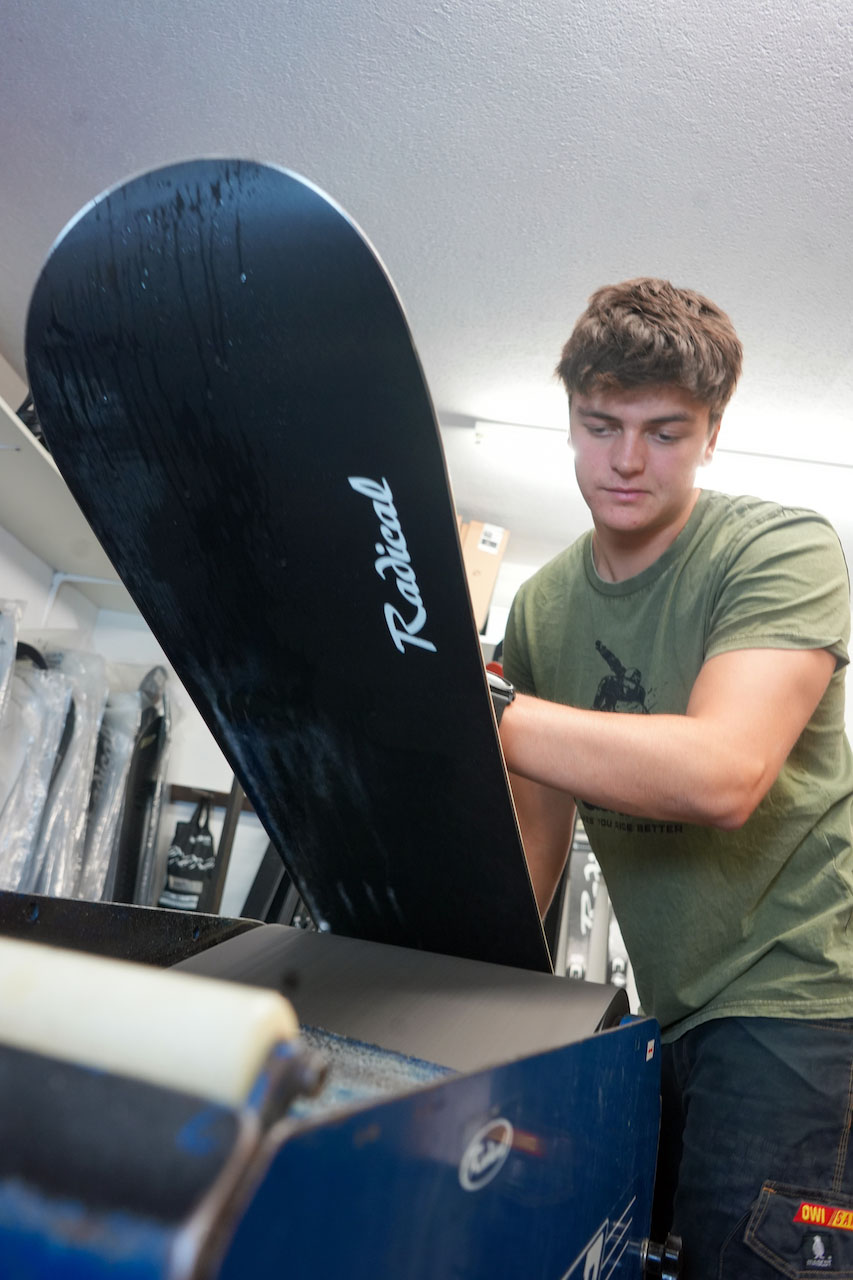
Traditional hot waxing with an iron works, but it has drawbacks. If you want to look after your gear properly, infrared technology is the go-to today—and for good reason it’s also the standard at Radical and in the pro world.
- Gentler, deeper wax absorption
With an iron, the wax is melted and spread on the surface. Infrared, on the other hand, heats the base evenly from the inside out—so the wax can penetrate deeper into the pores. - No overheating
With an iron, there’s always a risk of overheating or even burning the base. Infrared works with controlled, even heat—so the material stays intact. - Longer-lasting results
Because the wax sits deeper, the base stays saturated for longer. That means: waxing less often, but benefiting for longer. - Better for the environment—and your gear
Less wax is needed because it’s absorbed more efficiently. Plus, the base isn’t stressed in spots, but treated evenly. - Professional standard
Race teams and service stations swear by infrared technology: better performance, longer-lasting effect, less risk.
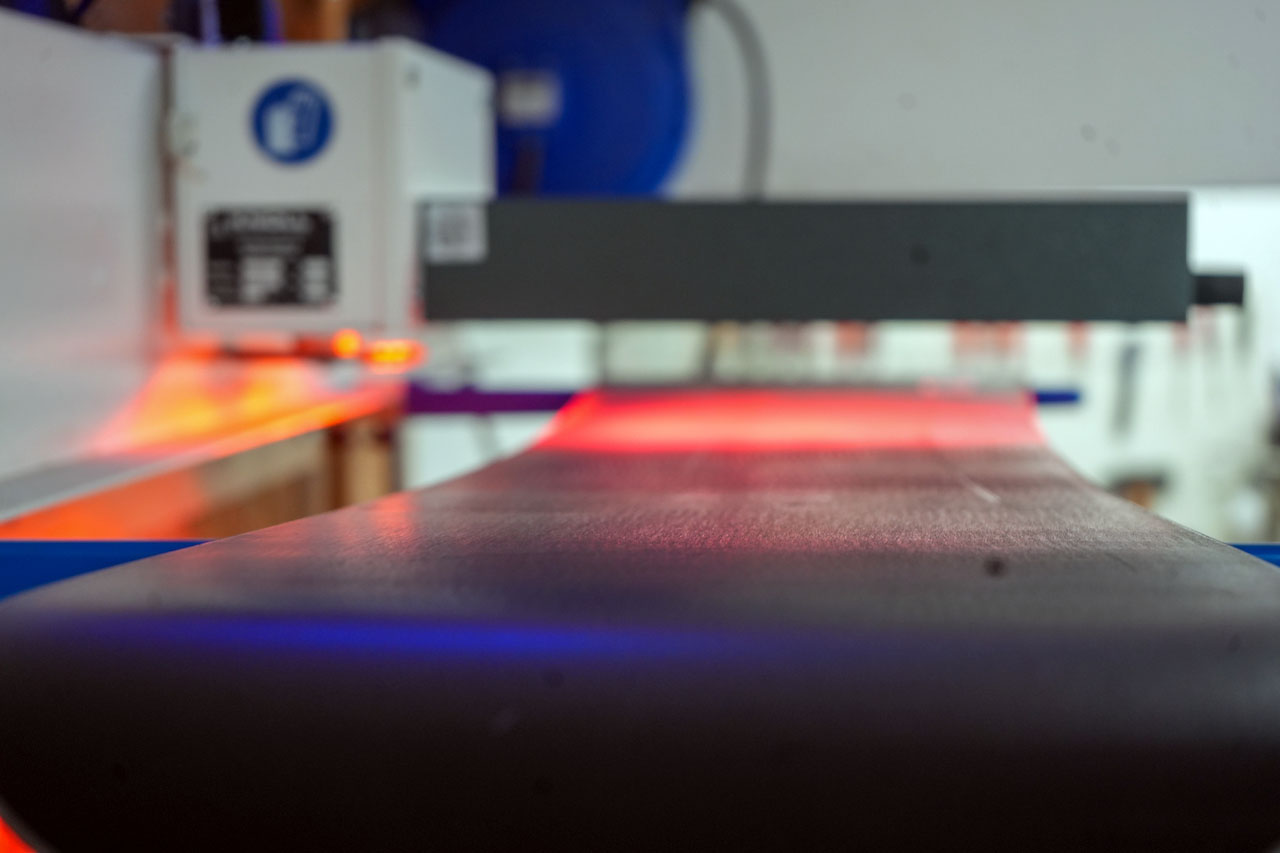
Wachs in Belag mit Infrarot
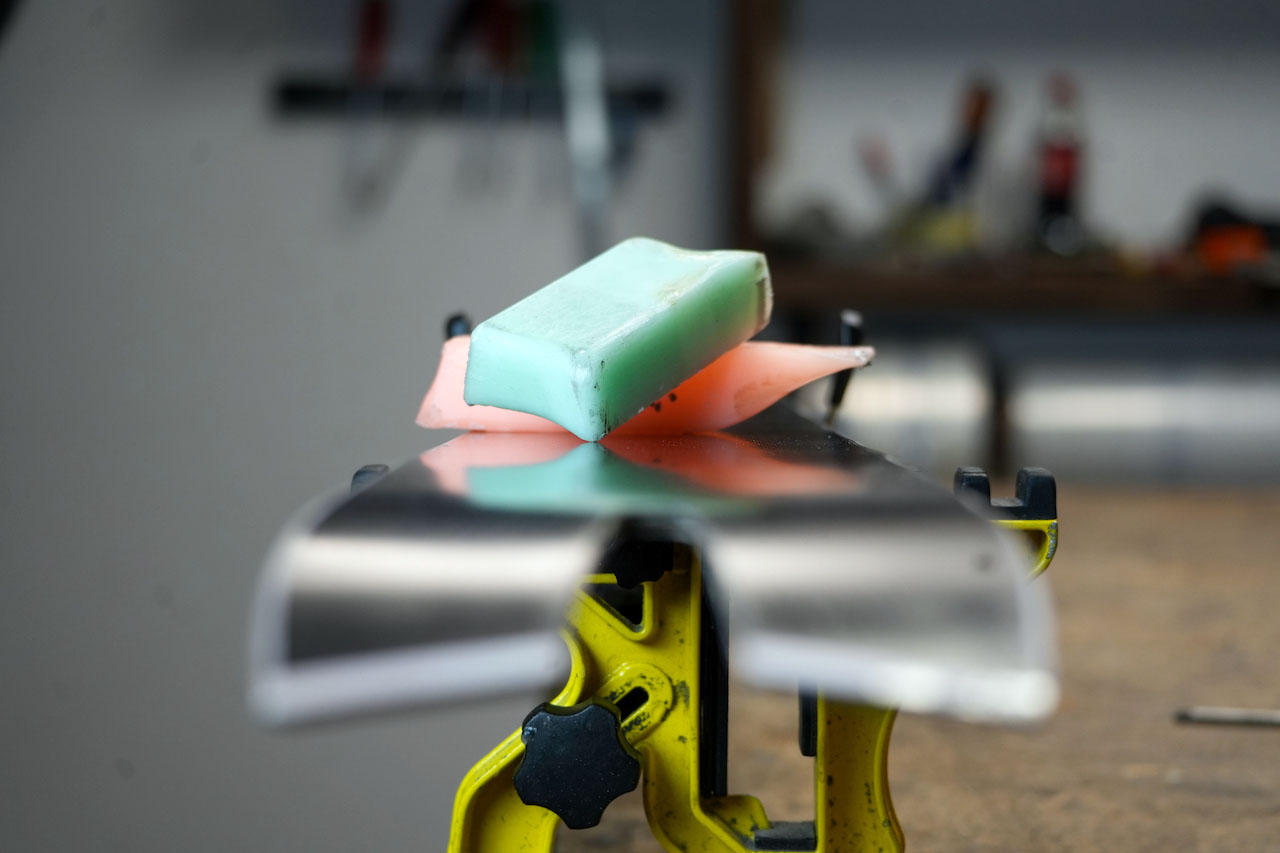
Wachs auf Skibelag – Radical
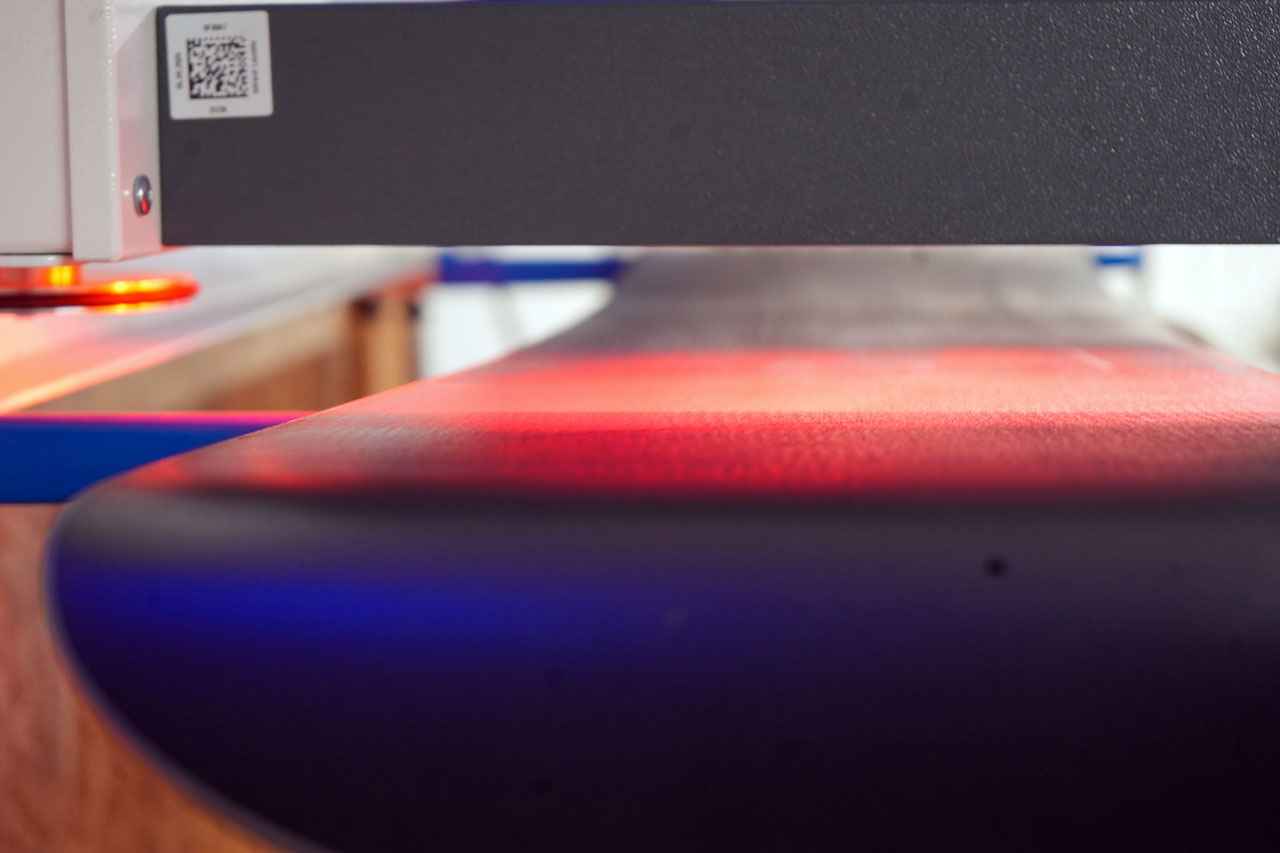
Infrarot Wachsen
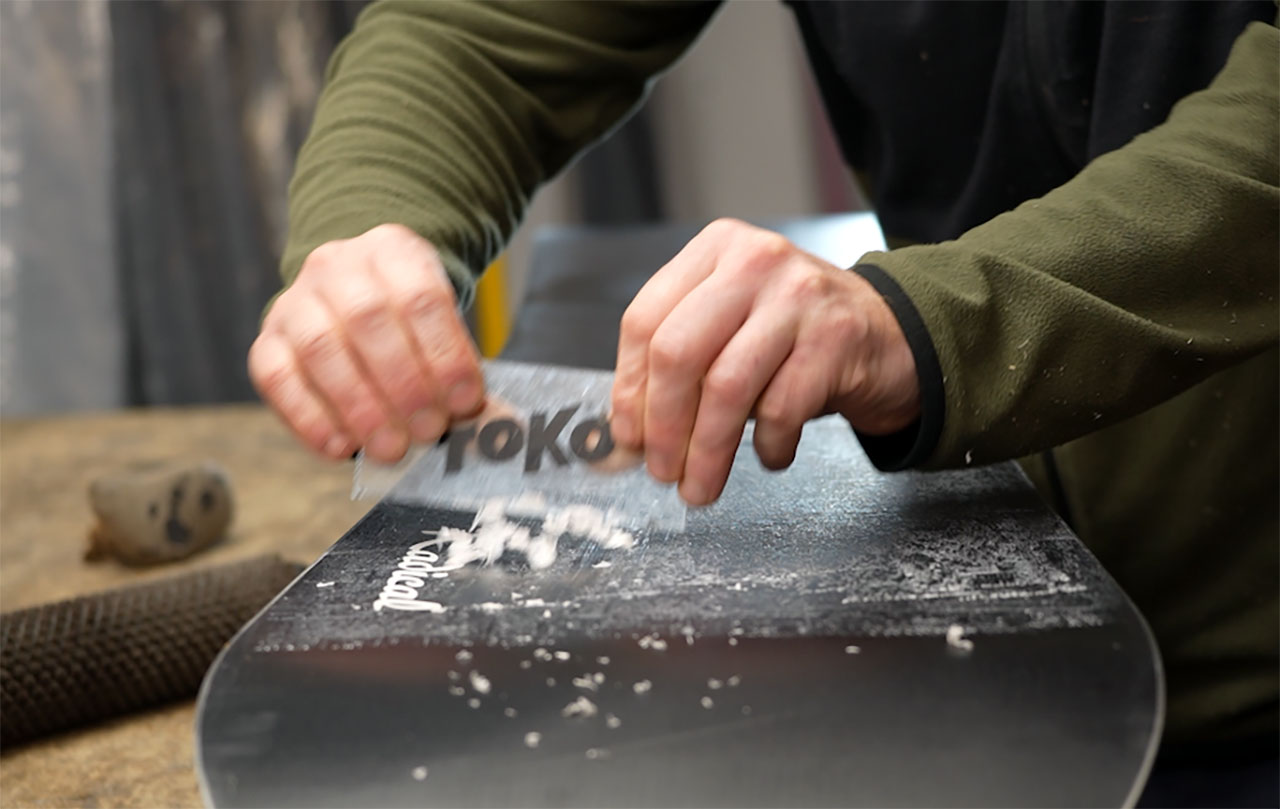
Wachs Abziehen
Fluorine in wax—why we don’t use it
For decades, ski and snowboard waxes were mixed with fluorinated compounds (PFCs/PFAS). They made the base extremely water- and dirt-repellent—perfect for fast race times. But the price was high:
- Health risks: Applying and brushing out wax creates toxic fumes and particles that can strain your airways and organs.
- Environmental impact: Fluorine is a “forever chemical”—it barely breaks down in nature, gets into water and soil, and can harm people and animals.
- Banned in racing: The FIS and many countries have now banned fluorinated waxes.
At Radical, we’ve consistently used fluorine-free waxes for 40 years. Instead, we rely on the best bases and top-quality waxes that deliver excellent glide—without risks to health or the environment.
Conclusion
Wax is much more than a speed booster: it gives you control, protects the base, and extends the life of your gear. With infrared technology, maintenance becomes even more efficient and gentler. And with fluorine-free waxes—like the ones we’ve used at Radical for decades—you can be sure you’re riding sustainably with full performance.


